Moringa (Moringa oleifera): Complete Guide
Most of the plants in an Ayurvedic herb guide are things you take a pinch of, not things you eat for dinner. Moringa breaks that pattern. Walk through a market in South India and you’ll see bundles of drumstick pods sitting next to onions and tomatoes — this is a vegetable as much as it is medicine, and that dual identity is really the whole story of why it’s become one of the most talked-about plants in global nutrition.
Table of Contents
ToggleMoringa oleifera — also called the Drumstick Tree, Horseradish Tree, or simply the “Miracle Tree” — grows fast, tolerates drought, and produces leaves so nutrient-dense that nutrition researchers and food-security programs have taken a serious interest in it well beyond Ayurveda. This guide covers both sides of that story: what Ayurveda has traditionally used Moringa for, and what specific clinical studies have actually found — cited by name, so you can check the source yourself rather than take it on faith.
Quick Facts About Moringa
|
Property |
Information |
|
Botanical Name |
Moringa oleifera Lam. |
|
Family |
Moringaceae |
|
Common Names |
Moringa, Drumstick Tree, Horseradish Tree, Miracle Tree, Ben Oil Tree |
|
Plant Type |
Fast-growing deciduous tree |
|
Native Region |
Indian subcontinent |
|
Parts Used |
Leaves, pods, seeds, flowers, roots, bark |
|
Ayurvedic Classification |
Traditionally used to support vitality, digestion, and general wellness |
|
Major Active Compounds |
Quercetin, chlorogenic acid, isothiocyanates, glucosinolates |
|
Height |
5–12 meters (16–40 feet) |
|
Lifespan |
20–40 years under favorable conditions |
What Is Moringa, Exactly?
Moringa is unusual among medicinal plants because almost the entire tree gets used — leaves, immature pods, flowers, seeds, seed oil, roots, and bark all have some traditional application. But unlike most herbs consumed in small, careful amounts, Moringa leaves are eaten as an actual vegetable across large parts of India, Africa, and Southeast Asia — cooked into dals, curries, and soups the same way you’d use spinach.
Today it also shows up as leaf powder, capsules, nutritional supplements, herbal teas, protein blends, smoothie add-ins, functional foods, and cosmetic products. That combination — genuine food-crop status plus a long medicinal tradition — is part of what makes Moringa unique among the plants in this guide series.
Where It Sits Botanically
|
Classification |
Details |
|
Kingdom |
Plantae |
|
Division |
Angiosperms |
|
Class |
Eudicots |
|
Order |
Brassicales |
|
Family |
Moringaceae |
|
Genus |
Moringa |
|
Species |
Moringa oleifera |
The Moringaceae family is small — only a handful of species exist worldwide — and Moringa oleifera is by far the most widely cultivated and studied of them.
Names Around the World
|
Language |
Name |
|
Sanskrit |
Shigru, Shobhanjana |
|
English |
Moringa, Drumstick Tree, Horseradish Tree |
|
Hindi |
Sahjan |
|
Kannada |
ನುಗ್ಗೆ (Nugge) |
|
Tamil |
Murungai |
|
Telugu |
Munaga |
|
Malayalam |
Muringa |
|
Marathi |
Shevga |
|
Bengali |
Sajina |
|
Gujarati |
Saragvo |
Recognizing the Plant
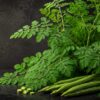
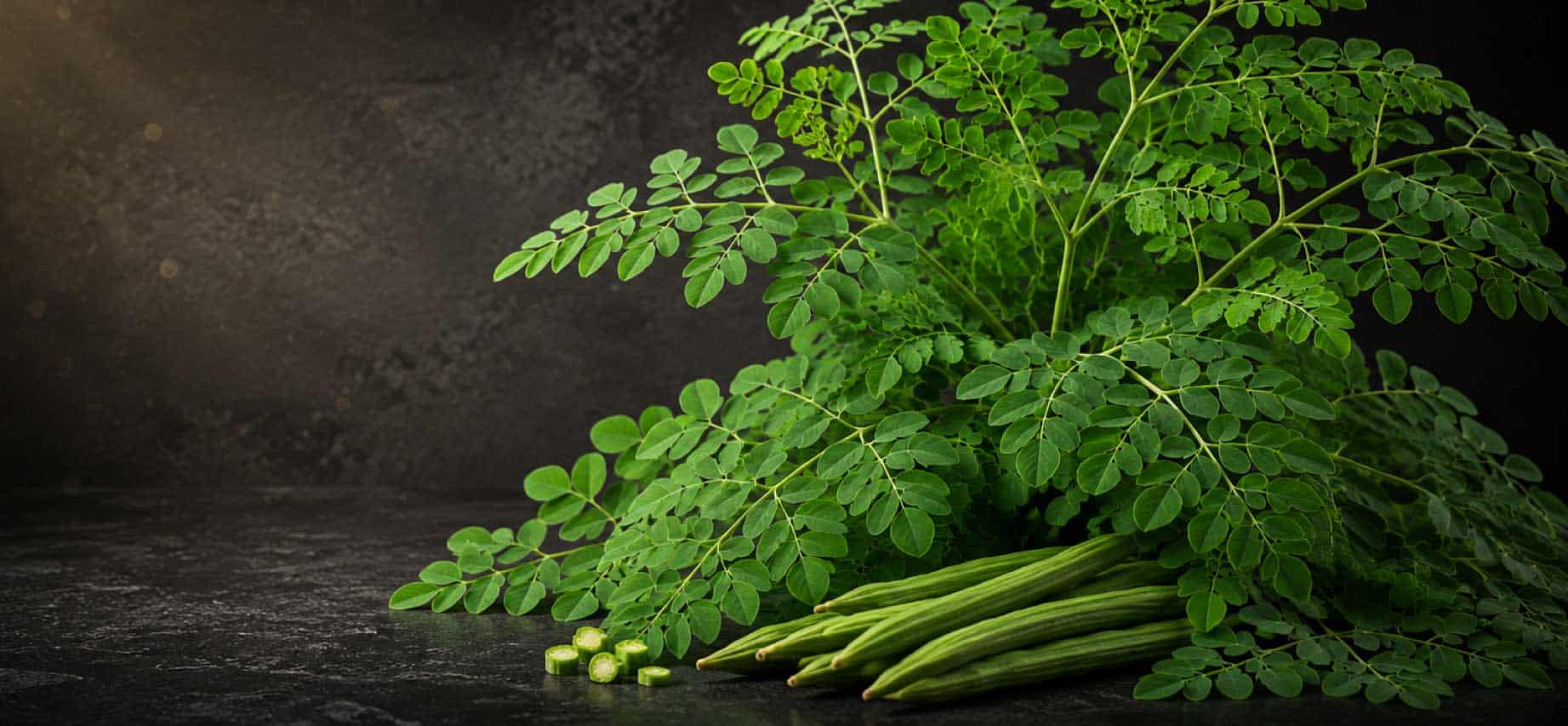
Tree habit. A fast-growing deciduous tree with soft wood and an open, spreading canopy, typically reaching 5–12 meters.
Leaves. Small, oval leaflets in feathery, compound clusters — bright green and tender enough to cook like a leafy vegetable.
Flowers. Small, creamy white, and fragrant, blooming once or twice a year depending on climate, and popular with pollinators.
Pods. The long, slender “drumsticks” — green and edible while young, reaching 30–60 cm in length.
Seeds. Round, papery-winged seeds inside mature pods, used for oil extraction, propagation, and even water-purification research.
Nutrition: Where Moringa Genuinely Stands Out
This is the part of Moringa’s reputation that doesn’t need much hedging. Moringa leaves are among the most nutrient-dense edible leaves that have been studied, naturally containing protein, dietary fiber, vitamin A (as beta-carotene), vitamin C, vitamin E, vitamin K, calcium, potassium, magnesium, iron, and phosphorus. Exact nutrient content shifts depending on soil, climate, harvest stage, drying method, and processing — so treat any specific number on a product label as an estimate rather than a universal constant.
The Chemistry Behind the Rest of the Reputation
Beyond straightforward nutrition, Moringa contains a genuinely interesting range of phytochemicals.
Quercetin, a widely studied flavonoid, contributes to Moringa’s antioxidant activity.
Chlorogenic acid — also found in coffee, interestingly — is a polyphenol researchers continue to study for a possible role in glucose metabolism.
Isothiocyanates, formed from glucosinolates, are bioactive compounds under active study in both laboratory and clinical settings.
Glucosinolates are sulfur-containing compounds that contribute to Moringa’s distinctive flavor and nutritional profile — the same broad chemical family found in cruciferous vegetables like broccoli, since Moringa belongs to the same order (Brassicales).
Carotenoids, including beta-carotene, are naturally present and convert to vitamin A in the body.
Polyphenols more broadly round out Moringa’s antioxidant profile.
Moringa in Ayurveda
|
Ayurvedic Property |
Description |
|
Rasa (Taste) |
Pungent (Katu), Bitter (Tikta) |
|
Guna (Qualities) |
Light (Laghu), Dry (Ruksha), Sharp (Tikshna) |
|
Virya (Potency) |
Heating (Ushna) |
|
Vipaka (Post-digestive Effect) |
Pungent (Katu) |
|
Dosha Influence |
Traditionally considered balancing for Kapha; individual suitability depends on constitution and is best assessed by a qualified practitioner. |
Under its Sanskrit name Shigru, Moringa has traditionally been used to support digestion, joint comfort, general vitality, respiratory wellness, skin health, healthy circulation, nutritional support, and seasonal wellness. That’s a genuinely broad traditional footprint — and a fair amount of modern research has picked up individual threads from it, with results ranging from well-supported (nutrition, antioxidants) to still quite early (most of the rest).
Why Moringa Became a Global “Superfood”
Moringa’s popularity isn’t really an Ayurveda story anymore — it’s a global nutrition story. Food-security researchers, agricultural scientists, and nutritionists have all taken an interest because Moringa combines rapid growth, drought tolerance, and an exceptional nutrient profile in one plant. On top of that, clinical researchers have been investigating its role in antioxidant activity, blood sugar metabolism, heart health, immune function, inflammatory pathways, exercise recovery, and skin and hair health. The nutritional case is genuinely strong; several of the more specific “superfood” health claims are still catching up to the evidence.
A Genuinely Sustainable Crop
Beyond human health, Moringa has real appeal for sustainable agriculture: it grows quickly, tolerates drought, needs minimal fertilizer, produces high leaf yields, improves soil through leaf litter, works as nutritious livestock fodder, and has some carbon-sequestration potential given how fast it grows. That combination has made it increasingly important in food-security and reforestation programs well beyond its traditional range.
Health Benefits — Where the Nutrition Story Ends and the Clinical Research Begins (Part 2)
Moringa’s health reputation rests on two different foundations that are worth separating clearly. The first — its exceptional nutrient density — is not really in question; it’s measured, replicated, and well understood. The second — specific therapeutic claims like blood sugar regulation or cardiovascular support — is an active, evolving research area where the evidence ranges from genuinely solid to still preliminary. Below, real trials are cited where they exist.
Nutrition — The Strongest Claim by Far
Because Moringa leaves are eaten as food rather than taken in herb-sized pinches, their contribution of protein, vitamins, and minerals to the diet is real and measurable — which is exactly why nutrition programs in regions facing malnutrition have taken a serious interest in the plant. This is Moringa’s best-supported benefit, full stop.
Antioxidant Activity
Quercetin, chlorogenic acid, beta-carotene, vitamin C, and a range of polyphenols give Moringa consistent antioxidant activity across both laboratory and some human studies. In a study of postmenopausal women given 7 g of Moringa leaf powder daily within their regular meals for three months, researchers found significant improvements in blood antioxidant markers — including serum retinol, ascorbic acid, glutathione peroxidase, and superoxide dismutase — along with a reduction in malondialdehyde, a marker of oxidative cell damage (Kushwaha, Chawla & Kochhar, Journal of Food Science and Technology, 2014). That’s a genuine human result, not just a test-tube finding, though it’s a single study in a specific population.
Blood Sugar
This is one of the more actively researched — and more genuinely mixed — areas of Moringa science, so it’s worth walking through honestly rather than cherry-picking the positive result. In a 12-week, double-blind, randomized, placebo-controlled trial in adults with prediabetes, participants taking six capsules per day (2,400 mg total) of Moringa leaf powder showed significant improvement in fasting blood glucose and HbA1c compared to placebo, which moved in the opposite direction over the same period (Gómez-Martínez et al., Nutrients, 2022). That’s a well-designed trial with a real placebo control.
But it’s not the whole picture. A separate randomized, placebo-controlled trial in people already diagnosed with type 2 diabetes, using 8 g/day of Moringa leaf capsules over four weeks, found no significant difference in fasting glucose or HbA1c between groups. In other words: the strongest positive result so far comes from prediabetes, not established diabetes, and dose, duration, and population all seem to matter. If you have diabetes and take glucose-lowering medication, this mixed evidence is exactly why you should monitor blood sugar closely and loop in your doctor before adding Moringa — the effect may be real in some contexts and negligible in others.
Heart Health and Cholesterol
Researchers continue to investigate Moringa’s potential role in cardiovascular wellness through antioxidant activity, lipid metabolism, and inflammatory pathways. Several animal and small human studies have looked specifically at cholesterol metabolism, with encouraging early signals — but the evidence isn’t yet strong enough to recommend Moringa as a cholesterol-management strategy on its own. Diet, exercise, sleep, and not smoking remain the actual foundation of cardiovascular health, with Moringa at best a complementary piece.
Healthy Inflammatory Response
Ayurveda has traditionally used Moringa to support joint and muscle comfort, and laboratory and animal research has shown promising effects on inflammatory pathways. Human trials are growing but still limited — a secondary analysis of the prediabetes trial above specifically looked at inflammatory and cardiometabolic markers and found no significant group differences in most of them, despite the positive glycemic results in the main trial (Gómez-Martínez et al., Nutrients, 2022, ancillary analysis). That’s a useful reminder that a positive result on one outcome (blood sugar) doesn’t automatically extend to every other outcome researchers measured in the same study.
Digestive Health, Immune Function, Brain Health, Liver Health
Moringa has traditional use across all four of these areas, and its fiber and phytochemical content give plausible biological reasons for interest — but the current human clinical evidence in each case remains limited, mostly early-stage or based on laboratory and animal work. Worth watching, not yet worth relying on for any of these specifically.
Skin and Hair
Moringa seed oil (sometimes called Ben Oil) and leaf extracts show up widely in cosmetic products — moisturizers, facial oils, hair oils, soaps — largely on the strength of their antioxidant content and pleasant, stable texture. Laboratory research here is genuinely promising, but clinical evidence specific to skin outcomes or hair growth in humans remains limited.
Breastfeeding and Milk Supply
This is a traditional use worth being precise about, because the modern data is more equivocal than folk reputation suggests. Some studies have found Moringa may support breast milk production; a rigorously designed randomized, double-blind, placebo-controlled trial was specifically set up to test this question directly in early postpartum mothers (Fungtammasan & Phupong, PLOS ONE, 2021), reflecting how genuinely unresolved this particular claim still is. If you’re breastfeeding and considering Moringa specifically for milk supply, talk to your healthcare provider — the evidence is actively evolving rather than settled.
Energy and Bone Health
Unlike a stimulant, Moringa doesn’t work through caffeine-like mechanisms — its traditional “energy” reputation comes from being a genuinely nutrient-rich food (protein, iron, vitamins, minerals) rather than anything acting like a stimulant. Similarly, its calcium, magnesium, phosphorus, and vitamin K content plausibly support bone health as part of an overall diet, though dedicated long-term human research on Moringa specifically for bone outcomes remains limited.
How Strong Is the Evidence, Area by Area?
|
Health Area |
Current Evidence |
|
Nutritional Support |
★★★★★ Strong |
|
Antioxidant Activity |
★★★★★ Strong |
|
Healthy Inflammatory Response |
★★★☆☆ Emerging |
|
Blood Sugar Support |
★★★☆☆ Emerging (mixed results) |
|
Heart Health |
★★★☆☆ Emerging |
|
Cholesterol Metabolism |
★★★☆☆ Emerging |
|
Digestive Health |
★★★☆☆ Emerging |
|
Skin Health |
★★★☆☆ Emerging |
|
Liver Health |
★★☆☆☆ Limited |
|
Brain Health |
★★☆☆☆ Limited |
|
Hair Health |
★★☆☆☆ Limited |
|
Immune Support |
★★☆☆☆ Limited |
These ratings reflect where published human research currently stands and will shift as more studies come out — blood sugar research in particular is active enough that this rating could move in either direction.
How to Actually Use Moringa (Part 3)
Moringa as a Functional Food
Unlike most herbs in this guide series, Moringa is eaten, not just supplemented — fresh leaves, cooked vegetable dishes, drumstick pods, leaf powder, smoothies, soups, and tea are all genuinely common ways people consume it as part of regular meals rather than as a wellness add-on.
Fresh Leaves
Fresh Moringa leaves are among the most nutritious parts of the plant — rich in vitamins and minerals, naturally high in antioxidants, easy to cook, with a mild earthy flavor. They commonly go into dal, soups, curries, stir-fries, omelets, salads (young leaves), and smoothies. Light cooking tends to preserve both flavor and nutritional value better than heavy cooking.
Drumstick Pods
The immature seed pods — drumsticks — are a genuine staple vegetable in Indian cuisine, showing up in sambar, curries, soups, and stews. The soft interior flesh is edible; the mature fibrous shell usually gets discarded. Drumsticks contribute fiber alongside vitamins and minerals.
Flowers
The fragrant, cream-colored flowers are edible too, traditionally used in stir-fries, pakoras, herbal soups, salads, and tea — though it’s worth leaving some flowers on the tree if you also want pods, since flowers become pods.
Moringa Powder
Made by drying and grinding fresh leaves, powder is probably the most common commercial Moringa product worldwide — long shelf life, easy to measure, easy to travel with. It mixes into smoothies, yogurt, soups, juices, protein shakes, oatmeal, pancake batter, and salad dressings. Because the earthy flavor is fairly distinctive, most people start with a small amount and adjust from there.
Capsules
Capsules solve the taste problem entirely — standardized serving, easy to carry, no preparation. Follow the manufacturer’s recommended serving; doses used in the clinical trials cited above ranged from 2.4 g/day (prediabetes trial) to 8 g/day (type 2 diabetes trial), which is a meaningfully wide range worth keeping in mind when comparing products.
Moringa Tea
Made from dried leaves, pure Moringa tea is naturally caffeine-free. Basic recipe: steep 1 teaspoon of dried leaves (or a tea bag) in 250 ml of hot water (just below boiling) for 5–7 minutes, strain if using loose leaves, and add ginger, cinnamon, lemon, or honey to taste once slightly cooled.
A Few Ways to Cook With It
Moringa smoothie. Blend banana, spinach, a teaspoon of Moringa powder, almond milk, yogurt, and chia seeds until smooth.
Moringa soup. Fresh leaves simmered with lentils, tomatoes, garlic, onion, and carrots — a nourishing, filling everyday meal.
Drumstick sambar. One of South India’s best-known dishes — drumstick pods, toor dal, tamarind, tomatoes, sambar powder, curry leaves, and mustard seeds.
Moringa omelet. Fresh chopped leaves mixed into beaten eggs with onion, green chilies, and black pepper, cooked as a regular omelet.
Moringa salad. Tender young leaves with cucumber, tomatoes, carrots, lemon dressing, and olive oil — mature leaves can turn slightly bitter, so younger leaves work better here.
Moringa seed oil. Sometimes called Ben Oil, extracted from the seeds and used in skin moisturisers, hair oils, and massage oils — a light, stable oil that’s a cosmetic product rather than a dietary one, so follow the specific product’s intended use.
Dosage
There’s no single dose that applies to everyone.
|
Form |
Typical Daily Amount |
|
Fresh Leaves |
25–100 g as food |
|
Drumstick Pods |
As part of meals |
|
Moringa Powder |
2–5 g |
|
Tea |
1–2 cups |
|
Capsules |
Follow manufacturer’s instructions (clinical trials have used 2.4–8 g/day) |
These are general reference ranges, not medical prescriptions — always follow the product label or a healthcare professional’s guidance.
Timing
There’s no universally “best” time. Morning suits smoothies and breakfast use; afternoon works for soups, salads, and lunch; evening tea works fine given Moringa’s naturally caffeine-free profile. Pick what fits your routine.
Can You Eat It Every Day?
Fresh leaves and drumstick pods are widely eaten as everyday foods across multiple countries without particular concern. Daily use of concentrated supplements should follow product instructions and, ideally, a conversation with a healthcare professional — especially given how much the clinical dosing has varied across studies.
Choosing a Quality Supplement
- Botanical identity — should state Moringa oleifera
- Plant part used — most supplements use leaf powder or leaf extract, which is also what most research has studied.
- Quality testing — for heavy metals, pesticides, microbial contamination, purity, and identity.
- Ingredient transparency — clear disclosure of Moringa content, serving size, and plant part used; avoid proprietary blends that hide quantities.
Storage
Fresh leaves: refrigerate, use within a few days. Powder: airtight container, cool and dry, away from sunlight. Capsules: room temperature, away from moisture, in original packaging. Seed oil: tightly sealed dark glass bottle, away from heat and light.
Quick Questions
Can I eat Moringa leaves every day? Widely done as a vegetable in many cultures; whether it’s right for you depends on your overall diet and health.
Is Moringa tea caffeine-free? Yes, entirely.
Fresh leaves or powder — which is better? Neither, universally — fresh is great when available and used in cooking; powder is more convenient and shelf-stable.
Can Moringa be cooked? Yes — leaves, flowers, and pods are all traditionally cooked, and light cooking tends to preserve quality best.
Can I add powder to smoothies? Yes, it blends well with fruit, yogurt, and plant milks — start small given the distinctive earthy taste.
Side Effects, Safety, Pregnancy, and Drug Interactions (Part 4)
Moringa’s long history as a food doesn’t make every form of it automatically appropriate for everyone at every dose — powders, extracts, and capsules deliver a more concentrated and consistent dose of bioactive compounds than a serving of cooked leaves or drumstick curry.
Is It Safe?
Moringa has been safely eaten as a vegetable across parts of Asia and Africa for centuries. Fresh leaves, drumstick pods, and leaf powder used as food are generally well tolerated; concentrated extracts should follow product directions specifically. Safety, as always, depends on dosage, product quality, duration of use, individual health conditions, and medication use.
Possible Side Effects
Most healthy adults tolerate Moringa well at food-level amounts. Some people, particularly when starting supplements or using larger amounts, report:
Digestive discomfort — mild nausea, stomach upset, loose stools, bloating, or gas. Starting with smaller servings and taking Moringa with meals tends to help.
Allergic reactions — uncommon but possible: skin rash, itching, swelling, or (rarely) difficulty breathing, which needs immediate medical attention.
Low blood sugar — given the mixed but real glucose-lowering signal discussed in Part 2, people on diabetes medication should monitor blood sugar and consult their healthcare provider before using Moringa supplements.
Low blood pressure — early research suggests mild blood-pressure effects in some people; those on antihypertensive medication should seek medical advice before using concentrated supplements.
Who Should Avoid Moringa Supplements
Fresh leaves and drumstick pods used as food are generally fine. Concentrated supplements deserve a conversation with a healthcare professional first if you:
- Are pregnant
- Are breastfeeding
- Have diabetes
- Have low blood pressure
- Have liver or kidney disease
- Take prescription medications
- Are preparing for surgery
Moringa During Pregnancy
Fresh leaves and drumstick pods are commonly eaten as food in many regions, and that culinary use is generally considered acceptable. Concentrated supplements are a different matter — their safety during pregnancy hasn’t been firmly established, and it’s worth knowing that some traditional sources specifically distinguish between plant parts here: leaves are commonly eaten as food, while roots, bark, and root extracts have traditionally been approached with more caution, since they may contain compounds not considered suitable during pregnancy. Given the limited clinical evidence, pregnant women should avoid concentrated Moringa supplements unless specifically advised otherwise by their healthcare provider.
Moringa While Breastfeeding
Moringa has traditionally been consumed by breastfeeding mothers in some cultures, and — as noted in Part 2 — there’s active, rigorously designed research specifically testing whether it supports milk production (Fungtammasan & Phupong, 2021). Results across studies so far have been mixed rather than conclusive. If breastfeeding, check with your healthcare provider before using Moringa supplements, particularly concentrated extracts.
Moringa and Children
Fresh leaves and pods are widely eaten as food. Supplements should only be given to children under professional guidance, since adult dosing doesn’t necessarily translate appropriately to a child.
Drug Interactions
Diabetes medications — given the real (if mixed) glucose-lowering signal in the research, anyone on insulin, metformin, sulfonylureas, or other glucose-lowering medicines should consult their healthcare provider before using Moringa supplements.
Blood pressure medications — because Moringa may influence blood pressure, people on antihypertensive medicines should seek medical advice before supplementing.
Thyroid medications — research on Moringa’s interaction with thyroid function remains limited; people with thyroid disorders or on thyroid medication should still check with their provider first.
Blood thinners — evidence on interaction with anticoagulants remains limited; as a precaution, anyone on blood-thinning medication should discuss supplementation with their provider.
Other prescription medicines — herbal supplements can affect how the body absorbs or metabolises certain drugs, so anyone on long-term prescription medication should get medical advice before adding Moringa supplements.
Surgery — because Moringa may influence blood sugar and possibly blood pressure, many healthcare professionals recommend stopping concentrated supplements one to two weeks before scheduled surgery, unless the surgical team advises otherwise.
Where the Broader Research Stands
Moringa is one of the most extensively studied edible medicinal plants in the world, with research spanning nutritional support, antioxidant activity, inflammatory pathways, blood sugar metabolism, cardiovascular health, liver function, immune response, skin and hair health, and exercise recovery. Most rigorous studies focus on standardised leaf powder or leaf extracts rather than the whole plant.
Where the evidence is strongest: nutritional support is essentially undisputed — Moringa genuinely is nutrient-dense, which matters most in regions where nutrient deficiencies are common. Antioxidant activity is similarly well-supported, with real human trial data (Kushwaha et al., 2014) alongside consistent laboratory findings.
Where it’s genuinely mixed: blood sugar regulation has a real, well-designed positive trial in prediabetes (Gómez-Martínez et al., 2022) alongside a null result in established type 2 diabetes — which is exactly the kind of nuance worth passing on to readers rather than smoothing over.
Where it’s still emerging: cholesterol metabolism, heart health, liver health, brain function, skin health, hair growth, and immune support all show biological plausibility and some promising early signals, but not yet the depth of replicated human evidence to draw firm conclusions.
Why Studies Are Hard to Compare Directly
Different trials use different Moringa preparations, dosages (the studies cited above range from 2.4 g to 8 g per day), study durations, and participant health status — small sample sizes and short follow-ups are common limitations throughout this literature. That’s exactly why a positive result in one trial doesn’t automatically apply to every Moringa product on the market.
A Checklist for a Research-Backed Supplement
Look for products that clearly identify the botanical name (Moringa oleifera Lam.), specify whether leaf powder or standardised extract is used, state the amount per serving, undergo third-party testing, list all ingredients transparently, and avoid unnecessary proprietary blends.
A Quick Safety Checklist Before Starting
Before starting a Moringa supplement, it’s worth asking: Am I pregnant or breastfeeding? Do I have diabetes? Do I take blood pressure medication? Do I have thyroid disease? Am I taking prescription medicines? Am I scheduled for surgery? A “yes” to any of these is a good reason to loop in a healthcare professional first.
Growing Moringa, Harvesting, and Final Thoughts (Part 5)
If any medicinal tree deserves the “easiest to grow” label, it’s Moringa — it grows astonishingly fast, tolerates poor soil and drought once established, and can produce edible leaves, flowers, pods, and seeds within its very first year.
Growing Basics
Climate. Moringa thrives in tropical and subtropical regions — 25°C–35°C, 250–1,500 mm annual rainfall, full sun, moderate humidity. It’s drought-tolerant once established but young plants need regular watering, and it doesn’t tolerate prolonged frost at all.
Soil. Adaptable to many soil types provided drainage is good — sandy loam or loamy soil, slightly acidic to neutral (pH 6.0–7.5). Avoid heavy clay or waterlogged conditions, which cause most of the root problems Moringa runs into.
Growing from seed. Sow directly into the ground or large containers, about 2–3 cm deep, water lightly, and keep soil moist until germination — typically 7–14 days under warm conditions.
Growing from cuttings. Select a healthy branch 1–1.5 meters long, let the cut end dry for a day, plant a third of it into well-drained soil, and water lightly until roots develop. Cuttings generally establish faster than seedlings — a genuinely useful shortcut.
Watering. Young plants need watering two to three times a week during dry weather; once mature, water only during prolonged drought. Excess watering damages roots more reliably than underwatering does.
Sunlight. Full sun — at least 6–8 hours of direct light daily. Insufficient light noticeably reduces leaf production.
Fertilizing. Minimal fertiliser needed — compost, vermicompost, well-rotted manure, or organic liquid fertiliser are enough. Avoid excessive nitrogen, which pushes rapid leafy growth at the expense of branch strength.
Mulching. Dry leaves, straw, coconut husk, or herbicide-free grass clippings conserve moisture, suppress weeds, and protect roots from heat — just keep mulch a few centimetres clear of the trunk.
Pruning. Pinch the growing tip once the tree reaches 60–90 cm, trim long branches, remove dead or damaged wood, and harvest regularly — this genuinely produces a bushier, more productive tree and makes ongoing harvesting easier.
Pests and Diseases
Reasonably hardy overall, though Moringa can occasionally attract aphids, caterpillars, whiteflies, mealybugs, or spider mites — neem oil, insecticidal soap, manual removal, and beneficial insects are all reasonable organic responses. Root rot, powdery mildew, leaf spot, and stem rot are the main diseases to watch for; good drainage, proper spacing, moderate watering, and healthy soil prevent most of them.
Harvesting
Leaves are usually ready within 2–3 months. Pick young leaves regularly, ideally in the morning, avoid removing more than a third of the foliage at once, and use clean scissors.
Drumstick pods are typically ready 6–8 months after planting — harvest while green, tender, and flexible for the best culinary quality.
Flowers can be picked once fully open, but leave some on the tree if you also want pods, since flowers become pods.
Seeds should be harvested once pods turn brown, dry, and start splitting — remove carefully and store in a cool, dry place.
Drying leaves. Wash gently, remove excess moisture, dry in shade with good airflow, and grind only once leaves are fully crisp — shade drying preserves color and nutrients better than direct sun.
Storage. Fresh leaves: refrigerated, wrapped in paper towels, used within 3–5 days. Dried leaves: airtight glass jars, cool and dark. Leaf powder: airtight container, away from heat and moisture, generally holding good quality for 6–12 months. Seeds: dry, airtight, cool storage — viability for planting gradually declines over several months.
Environmental Benefits
Beyond nutrition, Moringa genuinely contributes to sustainable agriculture — drought tolerance that outperforms many food crops, soil improvement through leaf litter, use as nutritious livestock fodder, strong pollinator support (bees, butterflies, and other beneficial insects), and enough carbon storage potential from its fast growth to matter for agroforestry, reforestation, and climate-resilient farming systems.
Frequently Asked Questions
What is Moringa used for? Both a nutritious food and a traditional medicinal plant — leaves, pods, flowers, and seeds go into meals, while leaf powder and supplements are used for general wellness.
Can I eat Moringa every day? Fresh leaves and drumstick pods are everyday foods in many cultures. Daily supplement use depends on individual health, dosage, and professional advice.
Is Moringa the same as drumstick? Yes — the long edible pods of Moringa oleifera are commonly called drumsticks, particularly in India.
Can Moringa be grown in pots? Yes, in large containers with good drainage; regular pruning keeps size manageable.
How fast does Moringa grow? Under good conditions, 3–5 meters in its first year — genuinely one of the fastest-growing medicinal trees around.
Can Moringa leaves be eaten raw? Young leaves can be eaten raw in moderation, though cooking (into soups, curries, or smoothies) is more common.
Is Moringa tea caffeine-free? Yes, entirely.
Can Moringa replace medicines? No — it’s a nutritious food and complementary herbal ingredient, not a substitute for prescribed medication or evidence-based treatment.
How long does a Moringa tree live? Typically 20–40 years, depending on climate, soil, and care.
Does Moringa attract pollinators? Yes — its fragrant flowers draw bees, butterflies, and other beneficial insects.
Final Thoughts
Moringa oleifera occupies a genuinely unusual place in the world of medicinal plants: it’s one of the very few that’s simultaneously a serious food-security crop and a traditional Ayurvedic remedy. The nutritional case is essentially settled — Moringa leaves really are exceptionally nutrient-dense, which matters most in places where dietary deficiencies are common. The antioxidant evidence is similarly solid, backed by real human trial data.
Beyond that, the picture gets more nuanced, and that nuance is worth sitting with rather than smoothing over: blood sugar research shows real promise in prediabetes, but a null result in established type 2 diabetes; cholesterol, heart health, and inflammation research is encouraging but still developing; and areas like brain health, hair growth, and immune function remain more traditional than proven so far.
None of that makes Moringa any less remarkable — it just means treating it the way the evidence actually supports: as a genuinely valuable, nutrient-dense food first, and a promising but still-developing therapeutic plant second. Used thoughtfully, whether that’s drumstick sambar on a Tuesday or a well-sourced leaf powder in a morning smoothie, Moringa remains one of the more scientifically grounded plants in the Ayurvedic tradition — precisely because so much of its reputation doesn’t need to lean on wellness marketing to hold up.
References
- Gómez-Martínez, S., Díaz-Prieto, L. E., Vicente Castro, I., Jurado, C., Iturmendi, N., Martín-Ridaura, M. C., Calle, N., Dueñas, M., Picón, M. J., Marcos, A., & Nova, E. (2022). Moringa oleifera leaf supplementation as a glycemic control strategy in subjects with prediabetes. Nutrients, 14(1), 57.
- Effects of Moringa oleifera supplementation on inflammatory and cardiometabolic markers in subjects with prediabetes: ancillary analysis. Nutrients, 14(9), 1937 (2022).
- Kushwaha, S., Chawla, P., & Kochhar, A. (2014). Effect of supplementation of drumstick (Moringa oleifera) and amaranth (Amaranthus tricolour) leaves powder on antioxidant profile and oxidative status among postmenopausal women. Journal of Food Science and Technology, 51(11), 3464–3469.
- Fungtammasan, S., & Phupong, V. (2021). The effect of Moringa oleifera capsule in increasing breastmilk volume in early postpartum patients: A double-blind, randomised controlled trial. PLOS ONE, 16(4), e0248950.
- Effect of Moringa oleifera leaf capsules on glycemic control in therapy-naïve type 2 diabetes patients: A randomised placebo-controlled study. Referenced for context on mixed blood-sugar findings across populations.
- National Centre for Complementary and Integrative Health (NCCIH) — Herbal Supplements and Botanical Safety.
- World Health Organisation (WHO) — Traditional Medicine Programme.
- Journal of Ethnopharmacology — Research on Moringa oleifera.
- Journal of Ayurveda and Integrative Medicine — Traditional uses and evidence reviews.
All named clinical trials above are real, published, peer-reviewed studies, verified at the time this article was written — worth checking directly via PubMed or the journal listed if you’d like to read the full methodology.
Medical Disclaimer:
The information in this article is for educational purposes only and is not medical advice. Moringa supplements may not be suitable for everyone and can interact with certain medications or health conditions. Always consult a qualified healthcare professional before using Moringa medicinally, particularly if you are pregnant, breastfeeding, have a chronic health condition, or are taking prescription medications.